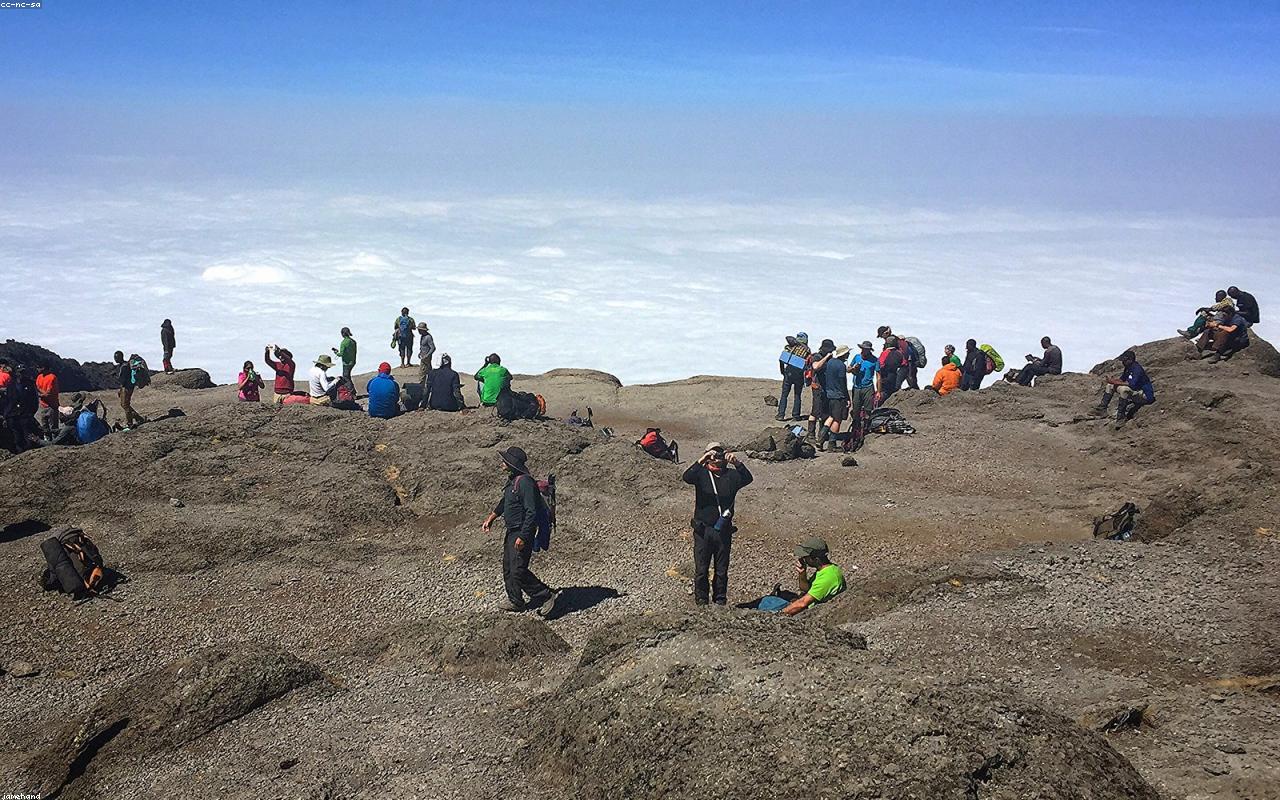
At 5,895 m, Kilimanjaro is a walk-up mountain — no ropes or climbing skills — but the altitude is serious. Most problems on Kilimanjaro come from going up too fast and ignoring early symptoms. This guide covers what you need to know before you commit.
This is general information, not medical advice. See a doctor before booking, especially if you have heart, lung or blood-pressure conditions, or are pregnant.
1. Understand altitude sickness
Above about 2,500 m, the air holds less oxygen and your body needs time to adjust. There are three conditions to know (CDC):
Acute Mountain Sickness (AMS) — common and usually mild.
- Headache, plus nausea, loss of appetite, dizziness or unusual tiredness
- Usually starts 2–12 hours after reaching a new altitude
- What to do: tell your guide, don't go higher, rest. If it gets worse, descend.
High Altitude Cerebral Edema (HACE) — an emergency.
- Confusion, stumbling or loss of balance, extreme drowsiness
- What to do: descend immediately, with help.
High Altitude Pulmonary Edema (HAPE) — an emergency.
- Breathlessness even at rest, a persistent cough, chest congestion, being unable to keep pace
- What to do: descend immediately, with help.
2. The golden rule: never go up with symptoms
CDC is clear: descent and oxygen are much more effective treatments than medication. Going down 300 m or more usually brings fast relief from AMS. A summit is never worth a life.
- Be honest with your guide every evening about how you feel.
- Never let pride, money spent or group pressure push you higher while unwell.
- Watch your teammates — people with HACE often can't recognise it in themselves.
3. Choose an itinerary that gives you time
Above 3,000 m, medical guidance is to raise your sleeping altitude by no more than about 500 m per night, with an extra night for every 1,000 m gained (CDC). No Kilimanjaro route can follow that perfectly — which is why the number of days matters.
- Choose the longest itinerary you can afford. Itineraries with extra days and "climb high, sleep low" profiles give your body more time to adjust.
- Very short (5-day) climbs give the least time to acclimatise.
- Ask your doctor about acetazolamide (Diamox), a prescription medicine that can help acclimatisation. Do not take any medication without medical advice.
4. Kilimanjaro National Park rules
Under Tanzania's Mountains National Parks Regulations:
- Every climbing group must be led by a guide (or an armed park ranger) — you cannot climb independently.
- All climbers, guides and porters register at the park gate before climbing.
- Children under 10 may not climb above 3,700 m.
- No firewood for cooking or warmth.
- "Garbage in, garbage out" — everything you carry up comes down.
- Use toilets where provided, and stay on official routes.
- Climbers climb at their own risk — which is why your insurance and your operator's safety standards matter.
5. Questions to ask your operator before you pay
A good operator answers these instantly:
- Do guides carry a pulse oximeter and check climbers every day?
- Is emergency oxygen carried on every climb?
- What is the evacuation plan — stretcher, rescue road, helicopter — and who pays?
- Are guides trained in wilderness first aid? Ask to see certificates.
- What is the guide-to-climber ratio?
- How are porters treated? Ask about wages, food, shelter, gear and load limits.
6. Treat the crew fairly
Porters carry the camp up the mountain. The park regulations set porter loads at 18–25 kg; the Kilimanjaro Porters Assistance Project (KPAP) recommends no more than 20 kg of company gear, plus three adequate meals a day, proper shelter and proper gear. KPAP warns that the cheaper the climb, the more likely porter welfare is cut. Ask your operator for their tipping guidelines before the climb and tip crew members directly.
7. Prepare your body and kit
- Train with long hill walks carrying a day pack; fitness helps, but it does not protect you from altitude sickness.
- Drink plenty of water and avoid alcohol on the mountain.
- Summit night is long and well below freezing: insulated jacket, warm gloves, hat, head torch with spare batteries.
- Broken-in boots, trekking poles, sun protection (strong UV at altitude), water purification.
- Confirm your insurance covers trekking up to 6,000 m and helicopter evacuation.
How SafariEA helps
Operators on SafariEA submit licence and insurance documents for review before they are marked Verified. Use the questions in section 5 with any operator — on SafariEA or not — and only book when you're satisfied with the answers.
Last checked against the sources below. Always confirm current rules with Kilimanjaro National Park or your operator.